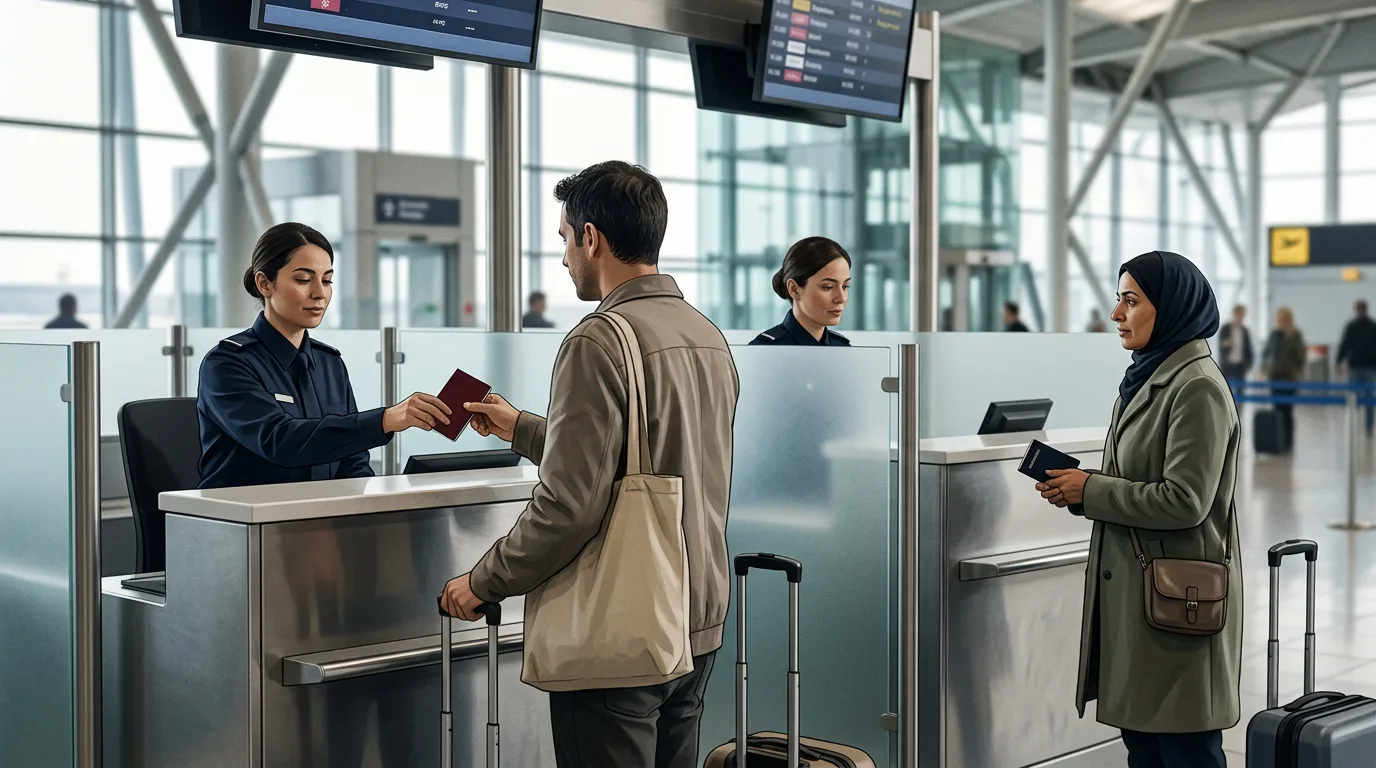
Russia and Lebanon apply a visa-free travel arrangement from 8 August 2026 for holders of valid diplomatic, service and special passports. The agreement is reciprocal: it concerns eligible holders of Russian and Lebanese passports in these categories. For most eligible travellers, visa-free stays are limited to up to 90 days within 180 days, counted from the date of entry. Different timing applies to certain accredited diplomatic, consular and international-organisation personnel.
Who can enter Russia without a visa under the agreement?
The new arrangement applies only to holders of valid diplomatic, service and special passports of Russia and Lebanon. A visa is an official entry permit issued before travel; eligible holders of the listed passport categories do not need to obtain one for travel covered by this agreement from 8 August 2026.
The published information does not extend this visa-free arrangement to ordinary passport holders. If you hold a regular passport, or if you are unsure whether your document is classified as a diplomatic, service or special passport, do not assume that visa-free entry applies. Check the official agreement and confirm the applicable entry route with the Russian Ministry of Foreign Affairs, the Russian Ministry of Internal Affairs or the relevant Russian consulate before applying or travelling.
When the visa-free rules apply
The agreement took effect on 8 August 2026. An eligible traveller using a valid diplomatic, service or special passport can rely on the visa-free procedure only from that date. The source does not provide separate rules for travel planned before the agreement entered into force.
For an ordinary visa-free trip under this agreement, the maximum stay is generally up to 90 days in a 180-day period. The 180-day period is counted from the date of entry. Plan the trip around this limit and take account of time already spent in the destination country under the relevant visa-free arrangement. The source does not specify how any other travel status may affect this calculation, so seek official confirmation if your circumstances are more complex.
Special rule for accredited personnel
A separate rule applies to accredited employees of diplomatic and consular institutions and to staff of representations to international organisations, where covered by the agreement. For these travellers, the permitted visa-free period is linked to the period of accreditation rather than the general 90-days-in-180-days limit.
Accreditation is the official recognition of a person’s status for work at a diplomatic, consular or international-organisation representation. The material does not list the documents needed to prove accreditation or explain the procedure for obtaining it. Staff members and their institutions should therefore verify the applicable procedure and the accreditation period through the competent authorities before departure.
What to check before entering Russia
Before travel, first confirm that the passport is both valid and one of the three categories named in the agreement. Then check the travel date and calculate the intended length of stay. If the visit is not covered by the agreement because of the passport category or planned duration, the material does not confirm visa-free entry.
The source does not specify which documents border officers may require in addition to the eligible passport. It also does not state a country of visa application, fees, processing times, forms or an electronic visa option. Do not rely on assumptions about these points: consult the official text of the agreement and verify the current border procedure with the Russian Ministry of Foreign Affairs, the Russian Ministry of Internal Affairs or the relevant consulate.
Steps after arrival in Russia
This agreement concerns visa-free travel for the listed official passport categories. The supplied information does not set out any separate post-arrival procedure, including migration registration. Migration registration is a procedure that may record a foreign national’s place of stay after arrival, but the requirements are not specified in this material.
Accordingly, eligible travellers should check directly with the Russian Ministry of Internal Affairs, the Russian Ministry of Foreign Affairs or the relevant consulate whether registration or any other action is required after arrival. Accredited personnel should also ensure that their stay remains aligned with the period of accreditation. Keeping the passport category, travel dates and accreditation status clear before and during the trip will help confirm that the visa-free rules are being used within the stated limits.
Что проверить
- Confirm that you hold a valid Russian or Lebanese diplomatic, service or special passport covered by the agreement.
- Make sure your trip is on or after 8 August 2026.
- For a standard visa-free visit, calculate your planned stay against the limit of up to 90 days in any 180-day period counted from the date of entry.
- If you are an accredited employee of a diplomatic or consular post, or a mission to an international organisation, check the period of your accreditation.
- Before travel, consult the official agreement text and confirm the current entry procedure with the Russian Ministry of Foreign Affairs, the Russian Ministry of Internal Affairs or the relevant consulate.
- Check directly with the relevant authority which border documents are required and whether registration is required after arrival.